I’ve been trying to write about No Bad Memories, the new album from The Avalanches, for days now, but haven’t had a chance to finish that. In the meantime, you should know that it’s 100% one of those albums that you need to listen to from start to finish in one session, like Since I Left You. However, I did pull one song to fit into last night’s set at Club Underground. It is now Saturday morning and I still have that song stuck in my head. It haunted my dreams last night. Does that count as a recommendation?
Anyhow, the set list is below. Songs from the past year or two are in bold and link back to other mentions on this blog.
And don’t snooze on getting your tickets for Underground’s Halloween Party. It’s next Friday, October 30, at the Grand Star in Chinatown. Both floors of the club will be open. Tickets are on sale now.
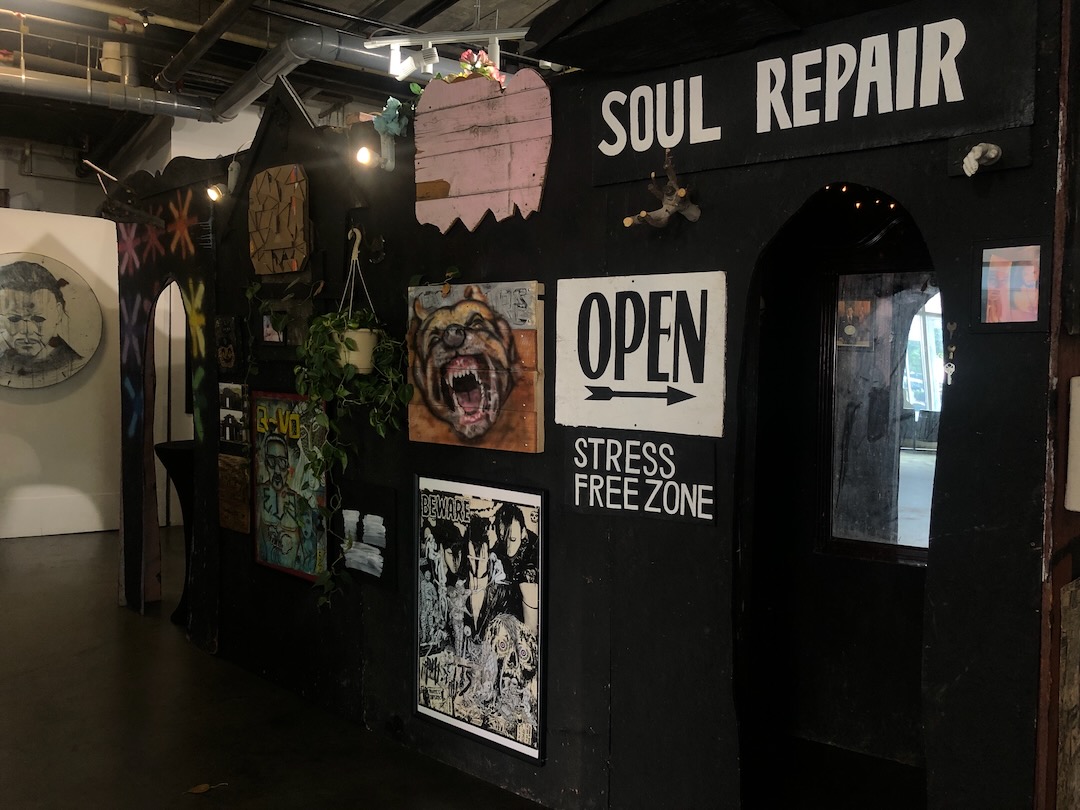
Albert Reyes’ Macabre haunted house at Eastern Projects in Chinatown. (Pic: Liz O.)
Update (10/22): Turns out that I will be DJing at Club Underground this week. Catch me playing indie, post-punk, Britpop, electro, synthpop and more all night at Grand Star Jazz Club from 9:30 p.m. until last call. Advance tickets are available now.
If you’re in Chinatown this weekend, definitely stop by Eastern Projects to check out Albert Reyes’ current exhibition, Macabre. The centerpiece is the super creepy haunted house that he used to build in his backyard every year. Plus, you’ll see art from 80 artists in the show. It’s a lot. I walked through the gallery last week, but definitely plan to drop by again for another look. Eastern Projects is open from Tuesdays through Saturdays from 12 p.m. – 6 p.m. and it’s located on the bottom level of the Blossom apartment building on Broadway and College.
Also, if you haven’t seen The Devils on the big screen yet, you still have a few more days to catch it in theaters, as it looks like some spots, including the Regal LA Live and Laemmle’s NoHo 7, will continue screenings into next week. I had seen the movie before the re-release, but watching the director’s cut (finally!) In a movie theater is a completely different experience. I had the movie so stuck in my head afterwards that I had to write about it. And, if Digger is playing anywhere near you, go see that too. It looks like it will be at Landmark Sunset and Laemmle Glendale into next week. The reviews are wrong and the whole “this movie is a bomb,” angle is stupid, but I’ll write more about that later. Go see it for yourself.
As for DJ gigs, I’m off this week, but will be back at Club Underground on Friday, October 30, for this year’s Halloween Party. Tickets are on sale now.
Here are my recommendations for this weekend and early next week.
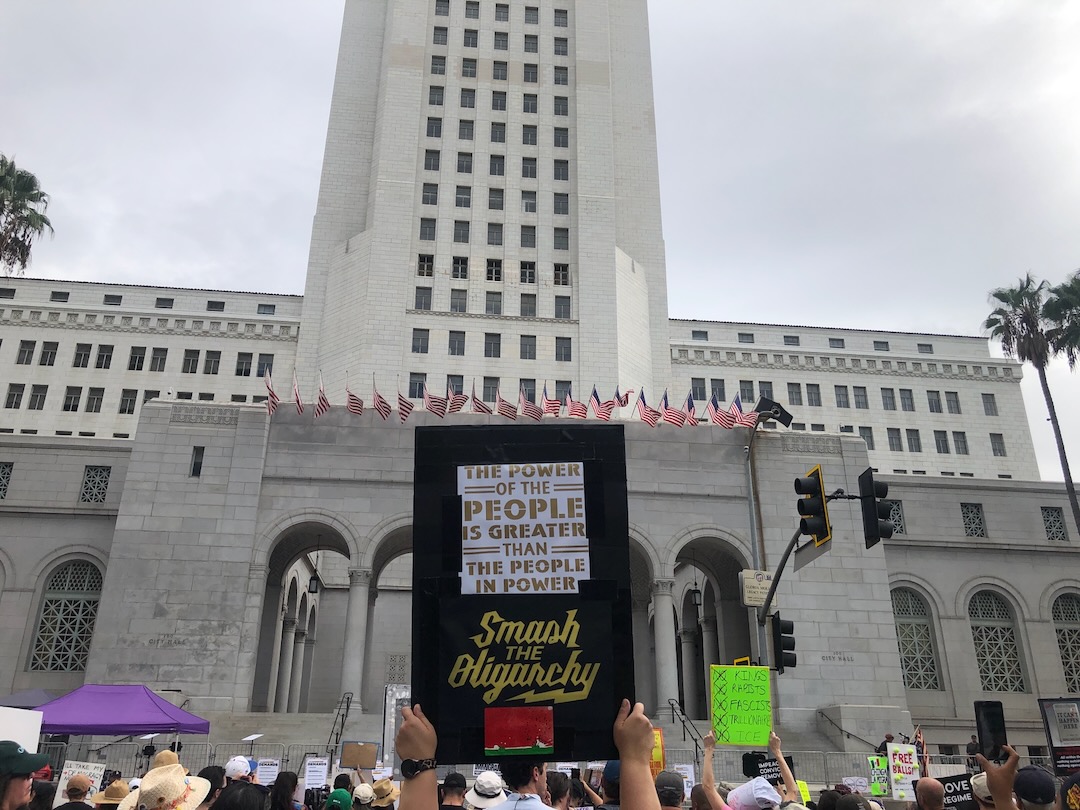
No Kings at Los Angeles City Hall 10/17/26 (Pic: Liz O.)
There are no fewer than three songs from the new Fontaines D.C. album running through my head right now. “Mimesis” is my favorite. It’s the one that is now a part of my DJ sets. Someone at Underground last night mentioned that it’s her favorite on the album too. At least, I think that’s what she said. It’s hard to hear when I’m DJing. Then there’s “Tongue,” the one some people on Reddit thing is too weird to be a single, which is a completely incorrect assessment, and “Intimate,” the apocalyptic closer. Maybe I shouldn’t have listened to Dopamine Chamber so many times in a span of 24 hours, but I couldn’t help myself. I gorged on an album and now I’m paying the price with a very messy, and relentless, triple-song earworm that has followed me to yoga class and then the library on this Saturday afternoon.
Dopamine Chamber, the fifth album from Fontaines D.C., is out this Friday, October 16, and we’re throwing a listening party at Club Underground at Chinatown’s Grand Star Jazz Club. Doors are at 9:30 p.m., album play begins at 9:45 p.m. After the album, both floors of the Grand Star will be open with Larry G. and I playing indie, post-punk, darkwave, new wave and more. If you’re going to see Boy Harsher on Friday, come by after the show and show your ticket for free entry into Underground. Otherwise, you can get tickets now on Eventbrite or Dice.
And, while we’re on the subject of Underground, you might want to get your tickets now for the Halloween party on October 30.
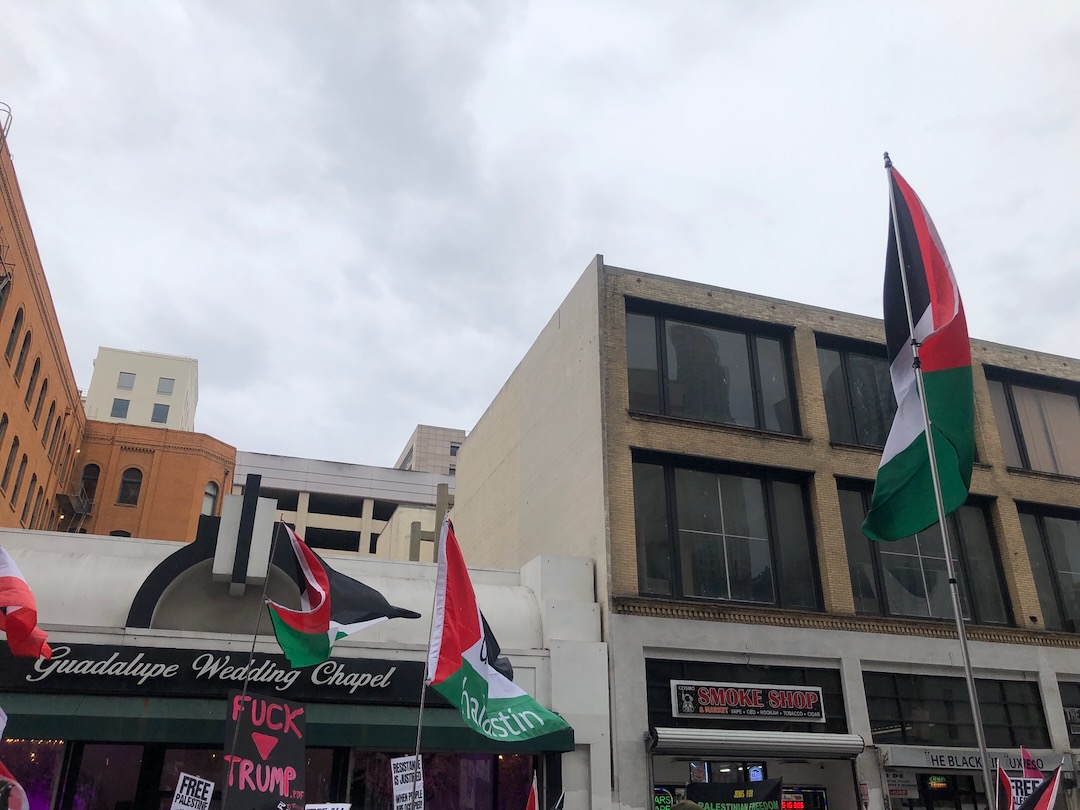
March for Palestine, downtown Los Angeles 10/10/26 (Pic: Liz O.)
This weather is weird. The heatwave finally broke by the start of the weekend, but it still didn’t feel like fall. There was a light drizzle Saturday morning, but, by mid-afternoon, it was warm, sticky even, less like L.A. and more like New York was that time I spent most of a weekend chasing canceled flights back home. I’m wearing a baggy denim jacket – Kneecap pinned to one pocket, “Fuck ICE” fixed to the other – less because of the weather and more to cover up the swollen, red bumps on my arms. I got attacked by mosquitoes the other day and no fewer than seven bites have kept me in a state of itchy misery for the past 72 hours. Still, I’m wandering down Hill Street, looking for a protest that may or may not be happening. I could have sworn the couple announcements that flashed by on my Instagram feed said it was at Pershing Square, but that sounds more like a concert happening behind a set of temporary fences.
Off in the distance, a few people wearing keffiyehs round the corner of 6th Street. I pick up my pace and follow their route, landing in the midst of a crowd marching onto Broadway, chanting slogans of the “Free Palestine” variety. Today is an international day of protests in support of Palestine marking one year since a “ceasefire” was announced and Israel continued attacks on Gaza. There is a good amount of people gathered in downtown Los Angeles with everyone from seniors to small children in the mix, although the bulk of the group looks and sounds like college students. Some people hold printed signs from groups like the anti-war A.N.S.W.E.R. Coalition. Others carry homemade ones. Still more hoist Palestinian flags into the air. One flag reads “Saoirse don Phalaistín,” which is probably the only thing I’ve learned via Instagram in recent memory. It’s Irish for “Freedom for Palestine.”
She’s a fashionable, young woman who likes to stroll along a cold, ruin-strewn beach. He’s a poet in a mod suit who writes of love and death. They meet at a wedding reception and make a date for a bike ride that ends at a local cemetery. What could go wrong?
The Iron Rose (aka La Rose de Fer and The Crystal Rose) is a 1973 cemetery jaunt from Jean Rollin. A critical and commercial failure in its day, it has since come to be regarded as one of the French director’s best films. It is, by far, my favorite Jean Rollin movie, a masterpiece in atmospheric horror where nothing needs to happen because the whole vibe is just so damn creepy. It could be a high goth Before Sunrise, where a pensive couple-for-the-night talks about life while chilling with the dead. But, in fact, something does happen. Actually, a few things happen. I won’t spoil the end for you, but it’s a horror movie set in a cemetery, so you can probably figure it out.
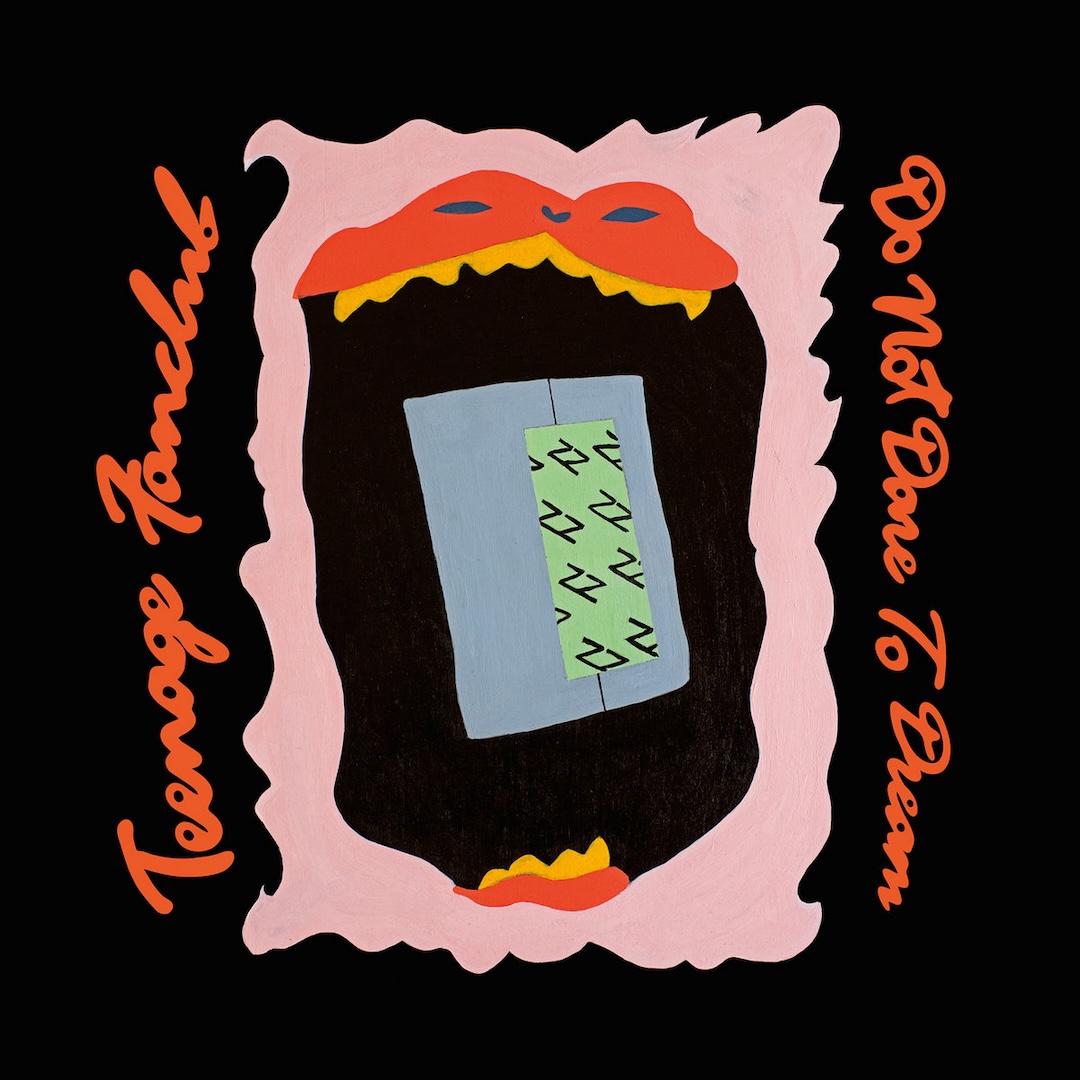
Do Not Dare to Dream by Teenage Fanclub is out now.
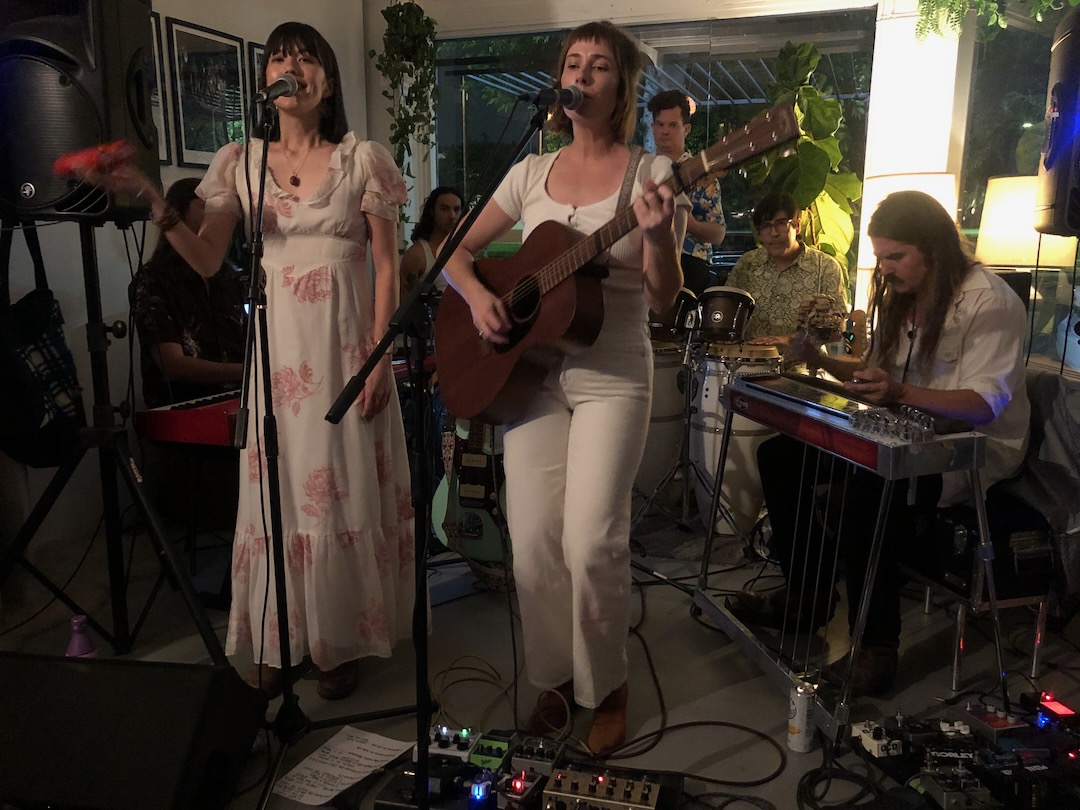
Scottish indie band Teenage Fanclub has been together for more than 35 years now, with a few lineup changes along the way, and have just released their 13th album. It’s called Do Not Dare to Dream and it’s out now via the venerable indie label Merge Records. I’ve listened to the album a number of times to write this review and the one song I keep hanging onto is “Over and Over.”
“Over and Over” is an interesting song. It begins with a gentle vocal harmony, a bit reminiscent of 1960s Bee-Gees. Less than a minute into the song, a funky drum kicks into gear, but those vocals, they remain subdued and a bit melancholy. By the chorus, the guitar picks up a Johnny Marr quality, like The Smiths’ take on ‘60s pop in songs like “Unloveable.” All this leads to a Can-like, psychedelic outro that goes on for close to a minute. It’s a lot to pack into a song and Teenage Fanclub does it well and it’s a testament to the band’s eclecticism.
It’s been a minute, but Imperial Teen is back with a new album, All Over You, set for release on October 9 and a U.S. tour that kicks off at Zebulon in Los Angeles on Wednesday, October 14. The long-running indie rock band return in fine form with a sound and an energy that recalls albums like What Is Not to Love and On.
“Honestly, the last record we put out, Now We Are Timeless, it felt like our final record, to me anyway,” says Roddy Bottum. “This one kind of feels like taking that back a little bit, or correcting ourselves, or readdressing ourselves. Finding the words in ourselves to share again.”
Swimming Bell (seen here at Oblivion in 2025) plays Murder Ballads and Dark Songs at Zebulon on Sunday, October 11. (Pic: Liz O.)
Honestly, it’s been too damn hot this past week to think much about going out. If you’re trying to keep cool, movie theaters are always a good idea. Pan’s Labyrinthis back in theaters beginning October 8 for a 20th anniversary re-release. There are a ton of classic and cult horror movies playing around town too. The best option is to check out Revival Houses and see what’s playing near you.
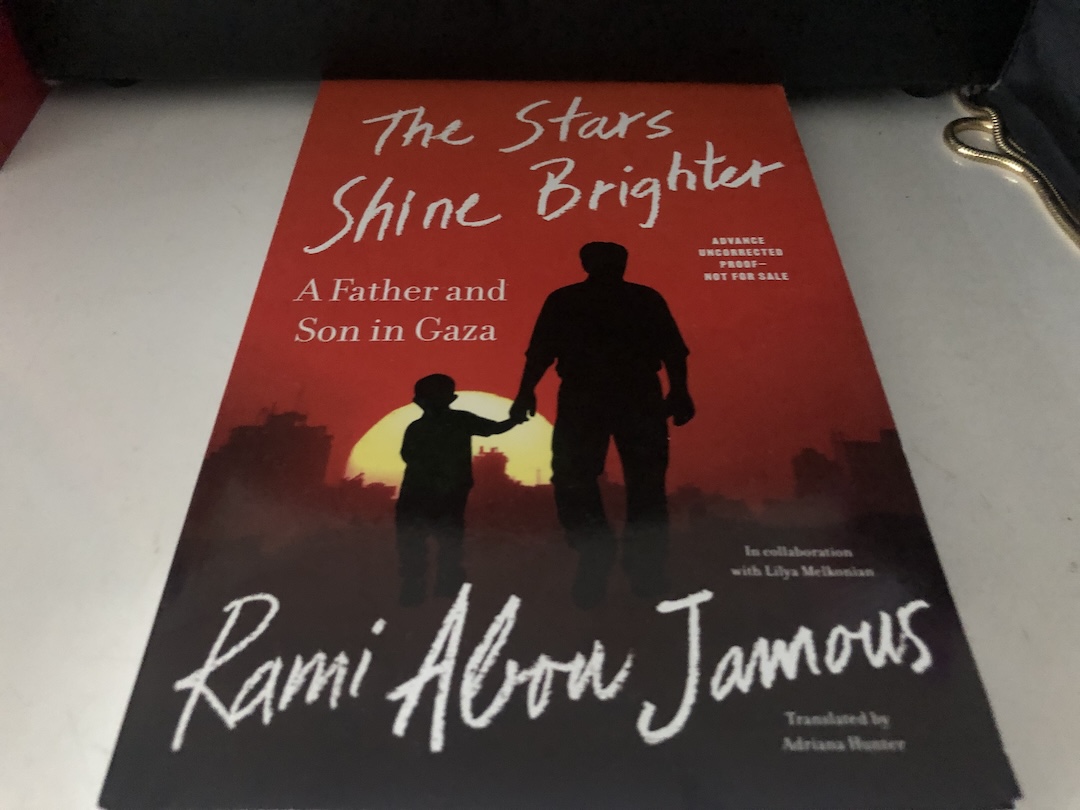
If there’s one new book you read this year, it should be The Stars Shine Brighter by Rami Abou Jamous. Released last month, it is the Palestinian journalist’s first-person account of life in Gaza during the first two years of the genocide. It’s a short, concise read that is, frequently, devastating. For those of us reading in the U.S., it’s also the rare glimpse inside Gaza that’s uninterrupted by the noise of political spin, propaganda bots, racist assholes and everything else that makes so many people shy away from even mentioning Palestine.
Jamous is an award-winning war correspondent who has reported from Gaza for multiple French outlets over the past few years. (You can read his more recent columns in Orient XXI) In The Stars Shine Brighter, he documents both what is happening in the communities surrounding him and how he tries to keep his own family safe.